

Kids hand therapy
Paediatric hand therapy for babies and children after hand and arm injuries, with congenital hand differences, and with neurological conditions affecting the upper limb.
Hand and arm injuries
An injury affects more than a child's hand — it changes how they play, learn and look after themselves. Whether the injury is managed with surgery or without it, we support your child through every stage of recovery, from protecting the injury to getting back to the things they love.
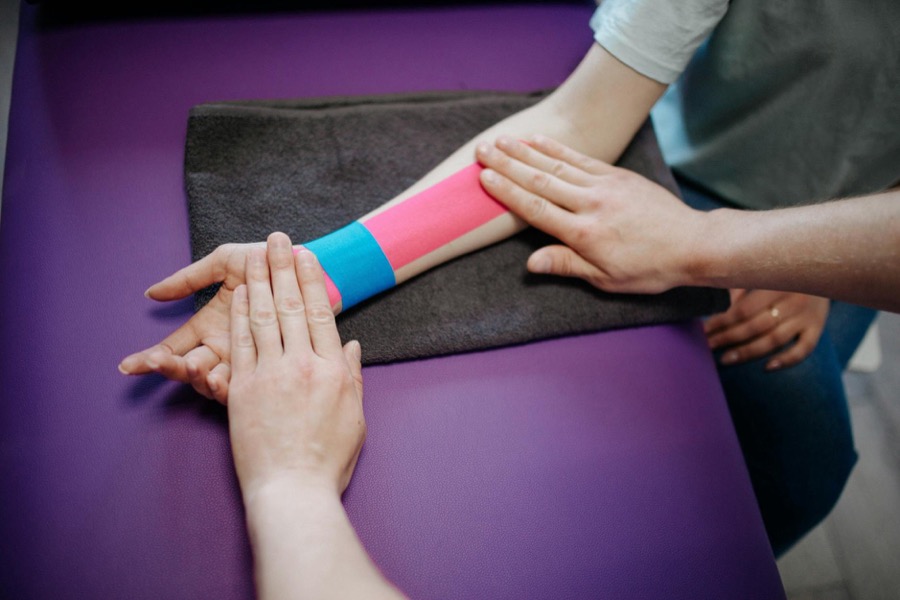
Fractures
- Casts or splints to protect the bone while it heals
- Therapy afterwards to restore movement, strength and flexibility
Tendon & ligament injuries
- Splints or casts to protect the repair
- Graded therapy to restore stability and function
Nerve injuries
- Therapy to support returning sensation and function
- Desensitisation where the area is over-sensitive
Scars
- Scar massage and silicone gel sheets
- Strategies to keep healing skin soft, comfortable and flexible
Sporting injuries
- Sprained, jammed and dislocated fingers, and wrist injuries
- A plan for getting back to sport safely
After surgery
- Therapy after hand, wrist and elbow surgery
- Working alongside your child's surgeon at each stage
Assessing & diagnosing the injury
- A hands-on assessment of movement, strength, sensation and swelling
- We explain what we find and what it means for your child
Wound care & scar management
- Dressings and wound review after injury or surgery
- Scar care started early, while the tissue is still changing
Custom splinting
- Made to fit your child in the clinic
- Adjusted as swelling settles and movement returns
Casting — including waterproof
- Durable casts for fractures
- Waterproof casts so your child can shower and swim
- Already in plaster? We can work with your doctor to check if a waterproof cast suits
Exercise & strengthening
- Age-appropriate programs for the hand, wrist and arm
- Built around play so children want to do them
Education for families
- What the injury is and what the plan is
- How to help at home between sessions
Congenital hand differences
Congenital hand differences develop before birth and vary widely in how they affect a child's hand and upper limb development. Sarah and Rebecca both have extensive experience in congenital hand therapy, including having worked in congenital hand clinics at a major Sydney children's hospital, presenting at national conferences, and working closely with congenital hand surgeons — before surgery, after it, and where surgery is not part of the plan. The aim is independence and confidence in everyday tasks, with families involved at every step.
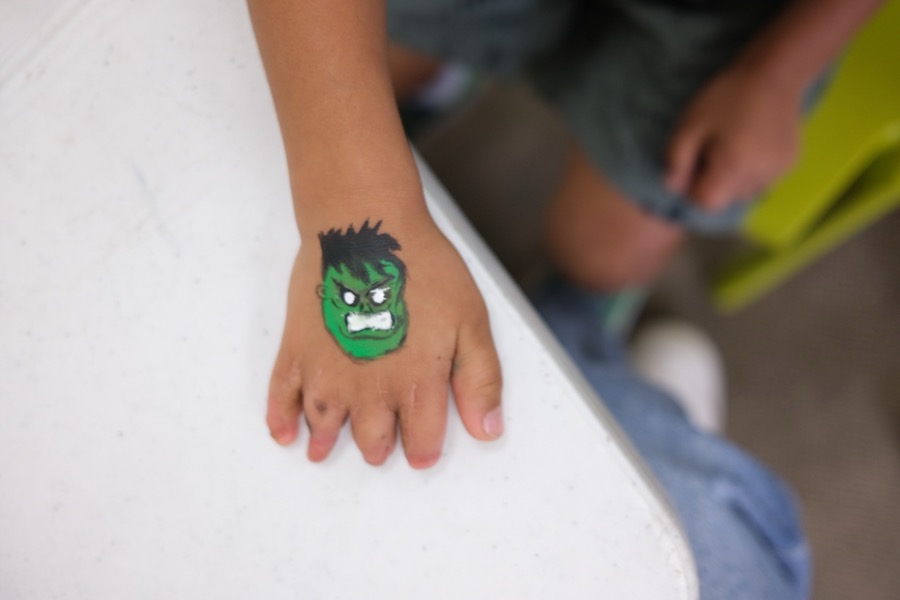
Arthrogryposis
- Serial splinting and stretching to improve mobility
- Functional therapy for grip and fine motor skills
- Adaptive techniques for daily activities
Clasped thumb
- Early splinting to encourage active thumb movement
- Stretching and strengthening for opposition and grasp
- Practice with everyday tasks that need the thumb
Trigger thumb
- Splinting to hold the thumb in extension
- Stretching and massage to reduce stiffness
- Rehabilitation after surgical release, if needed
Polydactyly (extra digits)
- Rehabilitation after surgery
- Splinting and scar management
- Strengthening and coordination for hand function
Syndactyly (joined fingers)
- Therapy after separation surgery for movement and flexibility
- Custom splinting to support healing
- Play-based therapy for fine motor skills
Radial & ulnar deficiencies
- Functional assessment for daily activities
- Strengthening for grip and hand use
- Casting and splinting for alignment
Thumb hypoplasia or absence
- Strategies for grasp and pinch
- Therapy before and after reconstructive surgery
- Splinting and assistive devices
Amniotic band syndrome
- Wound care and scar management after surgery
- Custom splinting for finger position and mobility
- Play-based programs for hand function
Symbrachydactyly
- Activity-based therapy for independence
- Strengthening and play for dexterity
Other congenital differences
- An individual plan for your child
- Working alongside your child's surgeon
- Education for parents and carers
Neurological conditions
Neurological conditions can affect movement, coordination and how a child uses their arms and hands. We focus on early intervention and custom splinting, alongside therapy that encourages the child to use the affected arm in play and daily life.
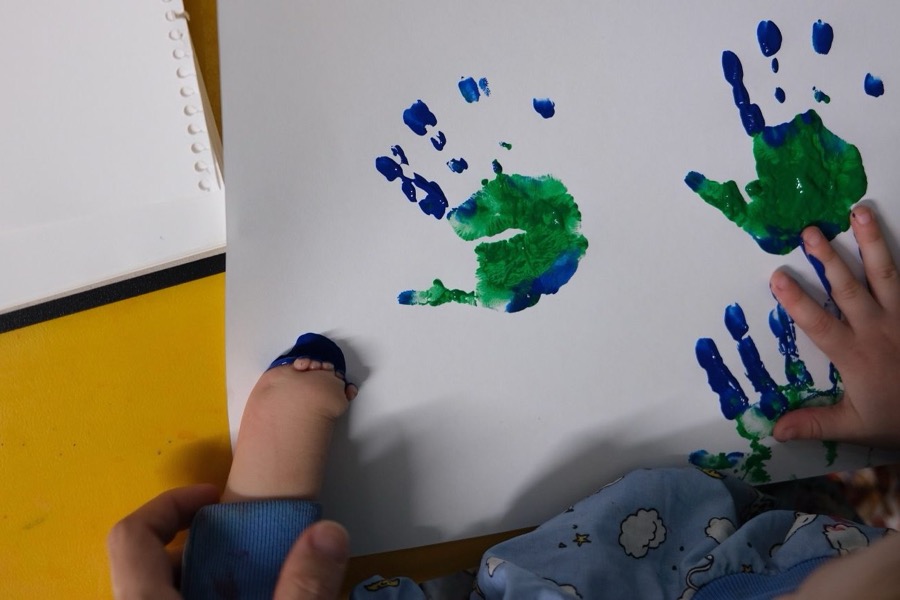
Cerebral palsy
- Custom splinting for hand position and muscle tightness
- Constraint-induced movement therapy (CIMT) and bimanual therapy
- Strength and coordination programs
Neonatal brachial plexus palsy
- Splinting and positioning to prevent contractures
- Neuromuscular retraining for movement and control
- Stretching, strengthening and bimanual therapy
Stroke & acquired brain injury
- Splinting for hand position and to prevent stiffness
- Task-specific training for arm and hand use
- Sensory re-education
Dystonia & movement disorders
- Custom splinting
- Assistive devices for grasp and everyday tasks
What happens when you come in
Get in touch
Call 0412 390 190 or send an enquiry. No referral is needed.
Bring what you have
Any surgeon's letters, reports, x-rays or scans, and a referral if you were given one.
Assessment
We assess your child's hand through play, and explain what we find in plain terms.
A plan together
A splint or cast if needed, activities for home, and goals we agree on with you.

Hand Therapy @ Rouse Hill
Hand Therapy @ Rouse Hill is the other practice run by Rebecca and Sarah, inside SWIFT Emergency & Urgent Care at 32 Civic Way. It sees adults as well as children, and may be easier to get to for families in the Hills District. Call it on 02 8616 9626.
Visit Hand Therapy @ Rouse Hill
Talk to us about your child.
Call us, or send an enquiry and we will get back to you. No referral is needed to make an appointment.